Watch Reviews
$42 Watch From India — We Bought One and Here’s What We Ask Next
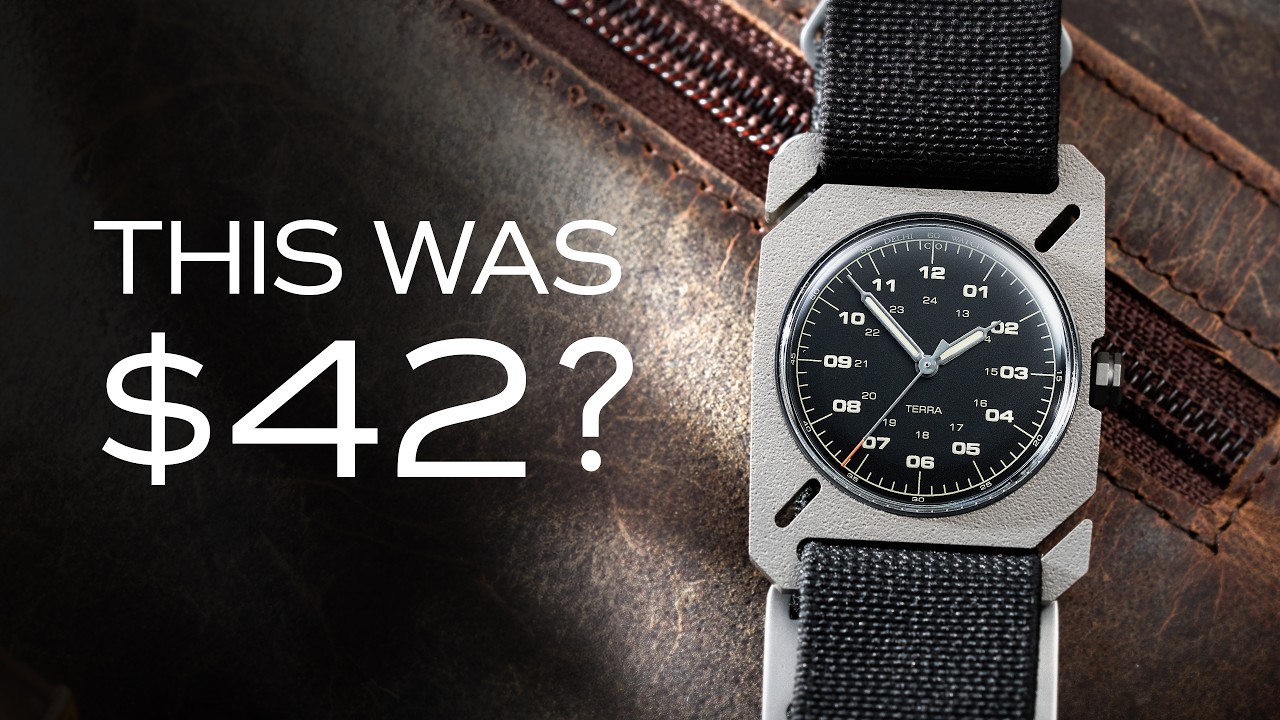
We paid $42 for a watch shipped from India. The purchase forces three practical questions every buyer should ask before clicking checkout.
By HorologyTalk Editorial · · 3 min read
Originally reported by Teddy Baldassarre. This article is a curated summary of their original coverage.
$42 on the price tag. From India.
We bought the watch the headline promises: a $42 piece sourced from India. That is the only concrete fact guiding this first pass—price and origin. Everything else in this story is a lens for inspection, not an invented spec sheet.
First-order checks
Start with four simple questions: what movement is inside, what material is the case, how does the watch keep time, and how serviceable is it? For low-cost imports these answers determine whether the watch is a curiosity, a beater, or a disposable toy. If the seller doesn’t answer these, treat the listing as incomplete.
Movement and serviceability
If the movement is unknown or described only as “quartz” or “mechanical” without a calibre designation, that’s a red flag for long-term ownership. Unidentified movements can be cheap to replace but costly to service. For a $42 purchase, expect limited or no manufacturer support; plan accordingly—buy it for parts, aesthetic value, or as a short-term wear item.
Materials and finishing
Price dictates materials more than country of origin. At this level the most common outcomes are plated cases, generic mineral glass, and basic bracelets or straps. That’s not a value judgement—just a constraint. Know the likely trade-offs. If the listing highlights solid steel, sapphire, or a branded strap, require proof photos or certification before buying.
Market angle and what to expect next
Low price and distant origin create curiosity; they rarely create long-term collectibility.
There is a small market for extremely affordable imports as daily beaters, mod platforms, or parts donors. Expect resale value to be minimal unless the watch has a documented novelty, provenance, or an unexpected quality leap. For collectors, the buying angle should be experimentation, not investment.
Buying advice
If you want one, buy with the intent you will lose value: wear it, test it, open it if you know how, and report back. If you need serviceability or resale potential, require movement details and clear material specs before paying. The sensible play on a $42 watch from India is simple: treat it as a low-risk experiment, not a new grail.
Open question
Will sub-$50 imports from nontraditional watchmaking countries produce a surprise breakout piece? Possibly—but only if a maker documents movements, warranties, and materials. Until then, these purchases are best evaluated as short-term buys and learning experiences.
Originally reported by Teddy Baldassarre. This article is a curated summary of their original coverage.
Tags: Indian brand, time-only, unknown movement, affordable