Technology & Innovation
Do You Need More Than 300m? The Practical Case for Extreme Water Resistance
300 meters is the common dividing line between everyday dive watches and purpose-built deep divers. The video argues extreme depth ratings trade off wearability and movement choices — you have to decide which matters to you.
By HorologyTalk Editorial · · 3 min read
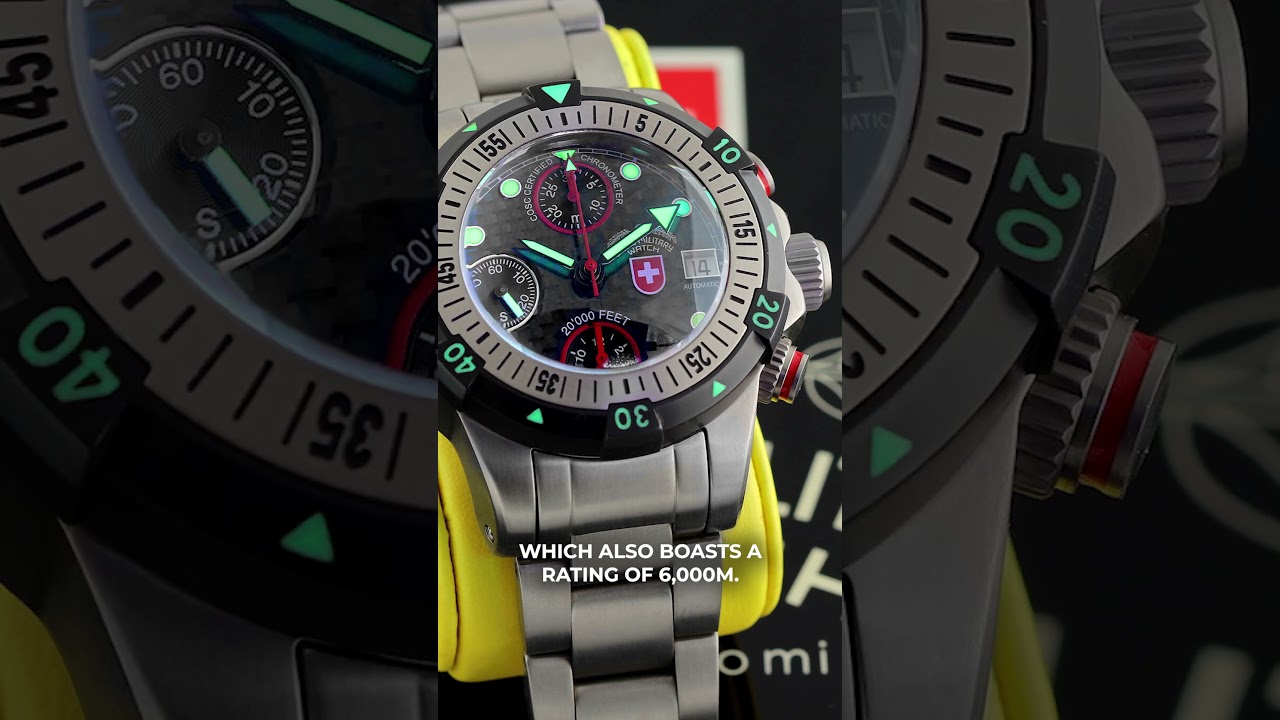
Originally reported by Teddy Baldassarre. This article is a curated summary of their original coverage.
300 meters: the practical breakpoint
Do you actually need a watch rated beyond 300 meters? The answer in the video is blunt: most buyers don’t. Ratings above that turn a wristwatch into an engineering statement. They add thickness, mass, and design compromises.
What manufacturers do to hit extreme ratings
To reach four-figure depth numbers brands rely on three straightforward tactics: thicker cases and crystals, sealed crowns and casebacks, and simplifying the dial/movement interface to reduce failure points. Materials change too — titanium and specially treated steels appear because they save weight at large dimensions. The more extreme the rating, the less forgiving the watch is to be slim or dress-like.
Helium escape valves, ISO testing and real use
The video walks through why a helium escape valve exists and where it actually matters: saturation environments with helium-laden atmospheres. For recreational divers and surface swimmers, those valves are effectively cosmetic features. The ISO diver standard matters as a baseline for reliability, but manufacturers often rate watches well beyond ISO test criteria for marketing and technical pride.
Movement and service consequences
High depth ratings push brands toward robust, simple movements. More seals and thicker cases make service intervals and case-opening procedures more involved. That’s a cost and usability trade-off: you get an overbuilt exterior but a movement that’s easier to protect when compared to high-complication calibers behind thin, delicate cases.
Buying angle: match rating to mission
If you actually dive professionally or plan to use saturation chambers, select a purpose-built tool with the necessary features. If you want a daily-wear sports diver, prioritize wearability — 200–300 meters delivers real security without the bulk. Consider case material and serviceability as much as the headline depth number.
Open question for buyers
Are extreme depth ratings a practical requirement for you or a gratitude to engineering excess? Expect the market to keep producing ever deeper-rated watches for the sake of audacity. Decide whether that audacity improves your wrist life or just your bragging rights.
Originally reported by Teddy Baldassarre. This article is a curated summary of their original coverage.
Tags: diver, helium escape valve, automatic movement, titanium