Technology & Innovation
This Is the Smoothest Seconds Hand Ever
This is the smoothest seconds hand ever. The claim forces a simple question: how do you measure ‘smooth’ and does it matter to a buyer?
By HorologyTalk Editorial · · 3 min read
Originally reported by Teddy Baldassarre. This article is a curated summary of their original coverage.
This is the smoothest seconds hand ever.
The statement is unambiguous and intentionally provocative. It invites scrutiny, not blind acceptance.
What 'smooth' actually describes
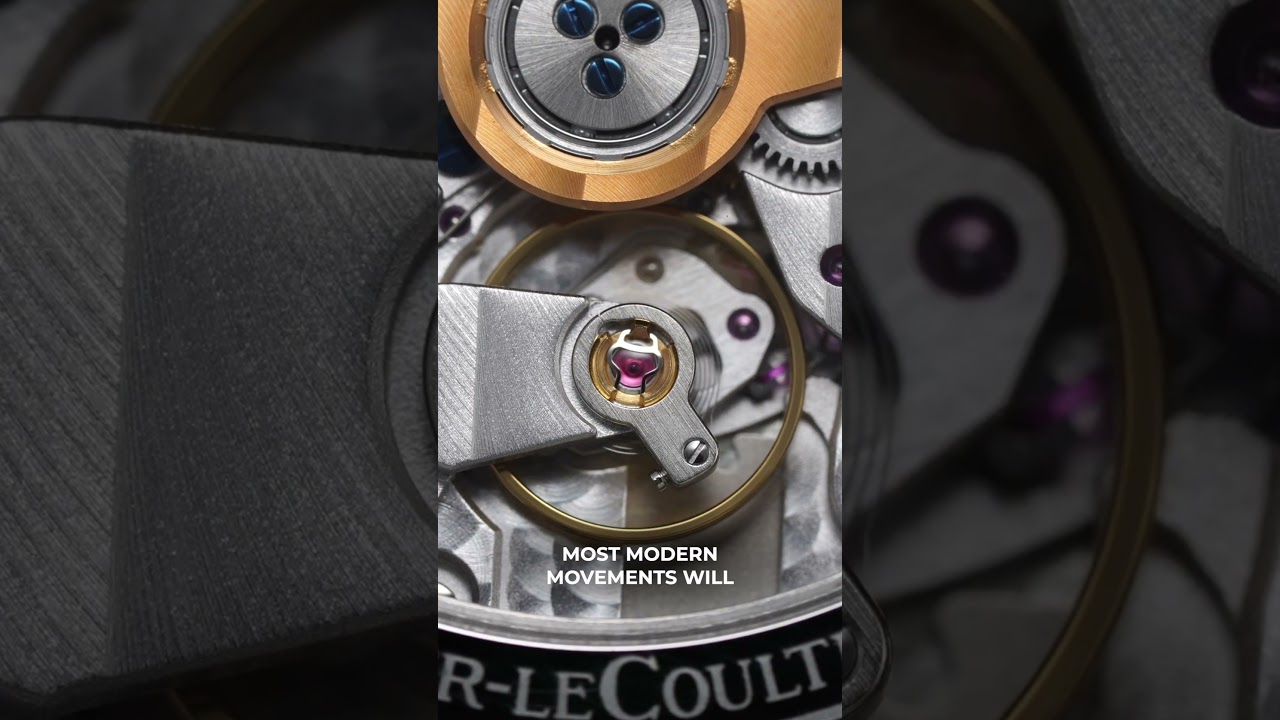
Smoothness here refers to the visual continuity of the seconds hand as it moves across the dial — whether you see discrete ticks or what appears to be a continuous glide. That perception comes from underlying technical approaches rather than decoration or finish.
Primary technical routes that produce 'smooth'
- Increasing the number of impulse events per second so the hand advances in finer increments.
- Using a continuous-drive regulator that eliminates discrete impulses and produces a true glide motion.
- Replacing conventional mechanical stepping with an electronically controlled motor to drive the hand smoothly.
Each approach has trade-offs. More impulses typically raise wear and servicing needs. Continuous regulators require precise control of torque and damping. Electronic drives change maintenance patterns entirely.
Movement, materials and service implications
Smooth visual motion depends on more than the regulator. Motion works geometry, pivot friction, jewel counts, lubrication and torque consistency all shape the result. Materials with low friction and tightly controlled tolerances help preserve the effect over time, but they don’t eliminate the need for maintenance.
From a buyer’s perspective, a claim about the "smoothest" seconds hand is a performance statement. Ask to see evidence: high-frame-rate video, multiple lighting angles, and ideally an explanation of the driving architecture. If you plan to keep the watch long-term, get clarity on service intervals and parts availability before you commit.
Originally reported by Teddy Baldassarre. This article is a curated summary of their original coverage.
Tags: seconds-hand, sweep-seconds, glide-regulator, movement