Watch Reviews
Which Speedmaster Moonwatch Is Right for You? A Practical Guide to Omega’s Iconic Chronograph
42mm stainless steel case and a 50‑metre water resistance — the Speedmaster hides three clear choices beneath a single silhouette. Pick Hesalite for authenticity, sapphire/display back for mechanical show, or Master Chronometer for modern anti‑magnetic performance.
By HorologyTalk Editorial · · 3 min read
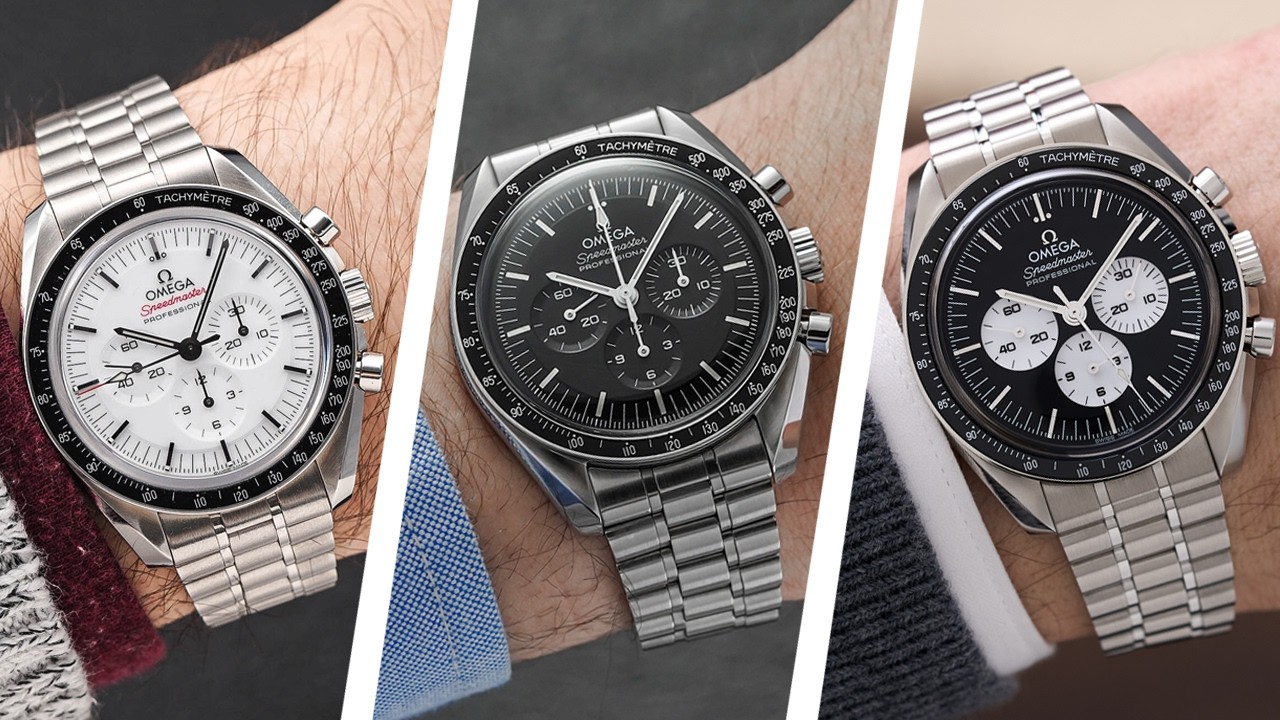
Originally reported by Teddy Baldassarre. This article is a curated summary of their original coverage.
The enduring dilemma: authenticity, modernity or value?
42mm stainless steel case, classic black tri‑compax dial and lyre lugs — the Speedmaster family shares the same bones but offers three distinct experiences. Will you choose the Hesalite crystal with a closed caseback that echoes the Moon missions, the sapphire model that exposes the movement, or the Master Chronometer with Co‑Axial escapement and silicon technology?
What’s different at a glance
The external specs stay familiar: 42mm stainless case and a 50‑metre water resistance that frames the watch as a dressy sport piece rather than a diver. The decisions that matter are crystal (hesalite vs sapphire), caseback (solid seahorse engraving or display), and movement (traditional hand‑wound, Lemania‑derived calibres versus the updated Master Chronometer calibre).
Movement and specs to weigh
Key technical points collectors debate: manual‑wind calibre lineage (the historical Lemania‑derived series), the modern Master Chronometer calibre with Co‑Axial escapement and silicon balance spring, a 21,600 vph beat rate (3 Hz), and a power reserve that sits around 48–50 hours depending on the calibre. METAS certification and 15,000 gauss resistance are the modern advantages to consider.
Choosing by taste and intent
If you want the Moonwatch experience closest to what the astronauts wore, go Hesalite with a solid caseback — it’s lighter on the wrist, less reflective in photos and preserves the tactile authenticity of the original. If you prefer to see movement finishing and like a contemporary look, choose the sapphire crystal with a display back. If you prioritise precision, anti‑magnetism and longer service intervals, the Master Chronometer models add improved regulation and silicon technology without abandoning the Speedmaster’s DNA.
Market position and collector notes
Price gaps reflect upgrades and desirability. Historically faithful Hesalite watches are often the recommended entry point for new collectors; they carry the story and are frequently less expensive than display‑back siblings. Limited editions — Apollo anniversaries, Snoopy editions and similar runs — can command premiums on the secondary market, but many buyers prefer a standard Professional model and customise straps for personal style.
The final verdict
Match the variant to your priority. Choose Hesalite for narrative and provenance, sapphire/display back to showcase mechanics, and Master Chronometer for modern reliability and higher magnetism resistance. If you plan to wear the watch daily and value service intervals, favour the Master Chronometer; if the story matters more than specs, Hesalite is the practical entry. Which path you take will shape ownership more than the silhouette itself.
Originally reported by Teddy Baldassarre. This article is a curated summary of their original coverage.
Tags: Omega, Speedmaster, Calibre 3861, Moonwatch