Technology & Innovation
Why the Seconds Hand Goes Backwards: Three Mechanical Causes
A seconds hand that moves backward can be a deliberate complication, a crown/gear-train artifact, or a sign of a malfunction. Watch the video for a visual diagnosis, then check when and how the recoil happens.
By HorologyTalk Editorial · · 3 min read
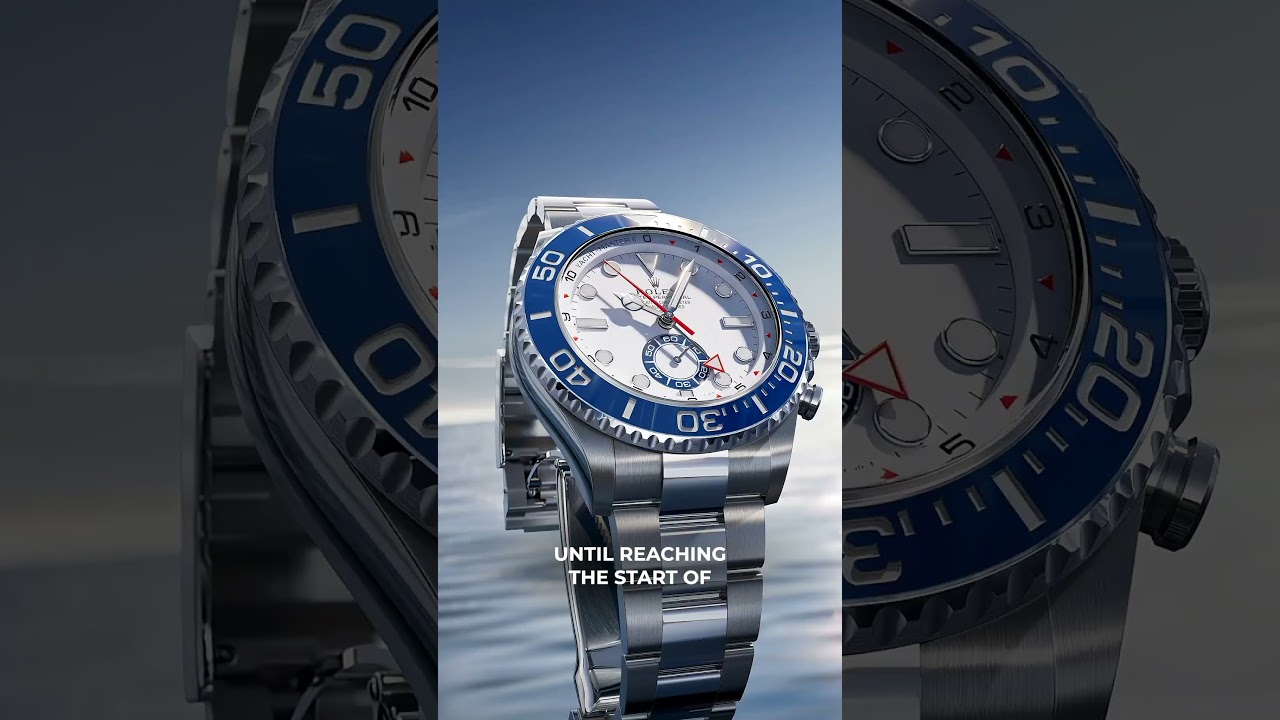
Originally reported by Teddy Baldassarre. This article is a curated summary of their original coverage.
Why does the seconds hand move the wrong way?
Ask a single, concrete question: does the seconds hand reverse as part of its normal cycle, or only when you touch the crown or a pusher? That distinction separates a design choice from a mechanical issue.
Three things to check, in order
- Deliberate complication: Some watches use a retrograde or returning-seconds mechanism that physically resets the hand by moving it back to zero. When this is the case the motion is intentional and controlled.
- Interaction-driven recoil: If the hand moves backward while you set the time, wind, or operate a pusher, you’re likely seeing gear-train backlash or back-drive through the winding/psetting train. That happens when parts momentarily free up and the seconds pinion shifts backward under load or when driven in reverse.
- Running malfunction: A seconds hand that slips or reverses during normal running can indicate an issue with the escapement, cannon pinion engagement, or a loose fit in the train. That’s not a design feature — it’s a repair ticket.
Watch for patterns. A programmed backward sweep will repeat at set moments. A crown-induced reverse happens only on interaction. An intermittent reverse during normal running is a fault. Record when it occurs before you open the case or hand it to a technician.
If you need a quick, practical test: observe the watch off the wrist for several minutes, then operate the crown gently and repeat. Note whether the seconds hand jumps back instantly when you stop touching the crown or when you press a pusher. Those observations tell a watchmaker where to start.
Practical buying angle: insist on a clear explanation from the seller about whether the backwards motion is a complication, a consequence of interaction, or a defect—then ask for service history or demonstration.
Originally reported by Teddy Baldassarre. This article is a curated summary of their original coverage.
Tags: seconds-hand, retrograde, gear-train, chronograph