Technology & Innovation
Why the Seconds Hand Rewinds: Retrograde vs Gear Play Explained
A seconds hand that visibly runs backwards is usually deliberate — most often a retrograde mechanism or temporary backlash in the gear train, not a failed movement. Here’s the short technical read on what makes a second hand reverse and what to watch for if you’re buying one.
By HorologyTalk Editorial · · 3 min read
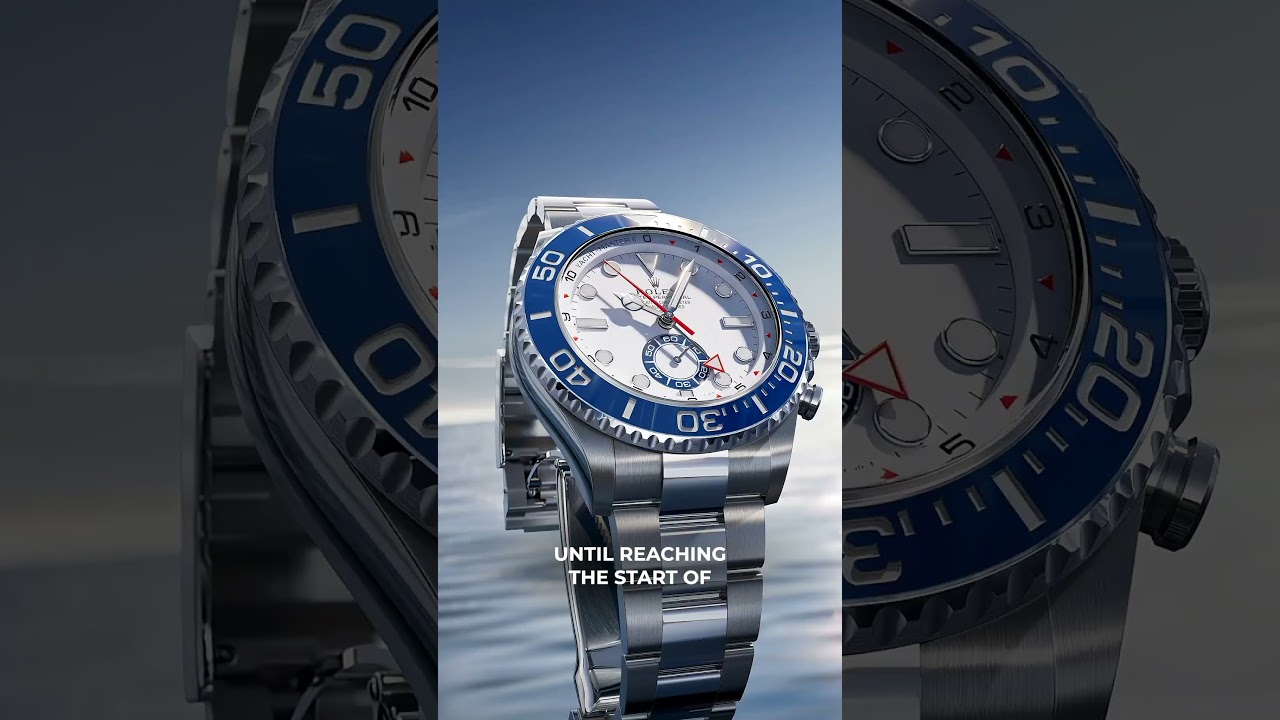
Originally reported by Teddy Baldassarre. This article is a curated summary of their original coverage.
One concrete observation: the hand doesn’t glitch, it reverses.
When you see a seconds hand move backwards the first instinct is mechanical failure. That’s rarely the case. The reverse motion is either a designed feature — a retrograde return — or the visible result of play and energy transfer inside the gear train.
Retrograde seconds: engineered rewind
A retrograde seconds mechanism carries the hand along a fixed arc or scale and then snaps it back to zero. That rewind looks like backward movement but is a single, controlled action driven by a coiled spring or detent release. The result is a visibly backward motion that is intentional and precise; you should see a crisp reset rather than random shuddering.
Backlash and elasticity: mechanical reality
Not all reversals are elegant. Backlash in the gear train or elastic play in the coupling between wheel and hand can let energy run briefly in the reverse direction during impulses or when the escapement transmits force unevenly. That shows as a small, often transient backward tick rather than a full sweep back to a starting position.
What the movement tells you
Look at how the seconds hand behaves: a clean, repeatable rewind on a marked arc points to a retrograde complication. Irregular or tiny reversals suggest gear play, low lubrication, or tolerance issues. Both are repairable, but one is a design feature and the other is maintenance or quality related.
Buying and ownership angle
If you want the visual drama, prioritize watches that advertise a retrograde seconds and show the mechanism clearly — dealers and hands-on photos will reveal the crispness of the return. If you prefer a traditional sweep, test for tiny reverse ticks under magnification; even minor backlash can annoy over time.
Open question for collectors: do you value the mechanical flash of a rewind more than the extra servicing such mechanisms can demand? Your answer should steer you toward a true retrograde design or a conventional movement with tight tolerances.
Originally reported by Teddy Baldassarre. This article is a curated summary of their original coverage.
Tags: retrograde, seconds hand, gear train