Industry News
Massive Watch Fraud and World Cup Parties: Where collector trust collides with event culture
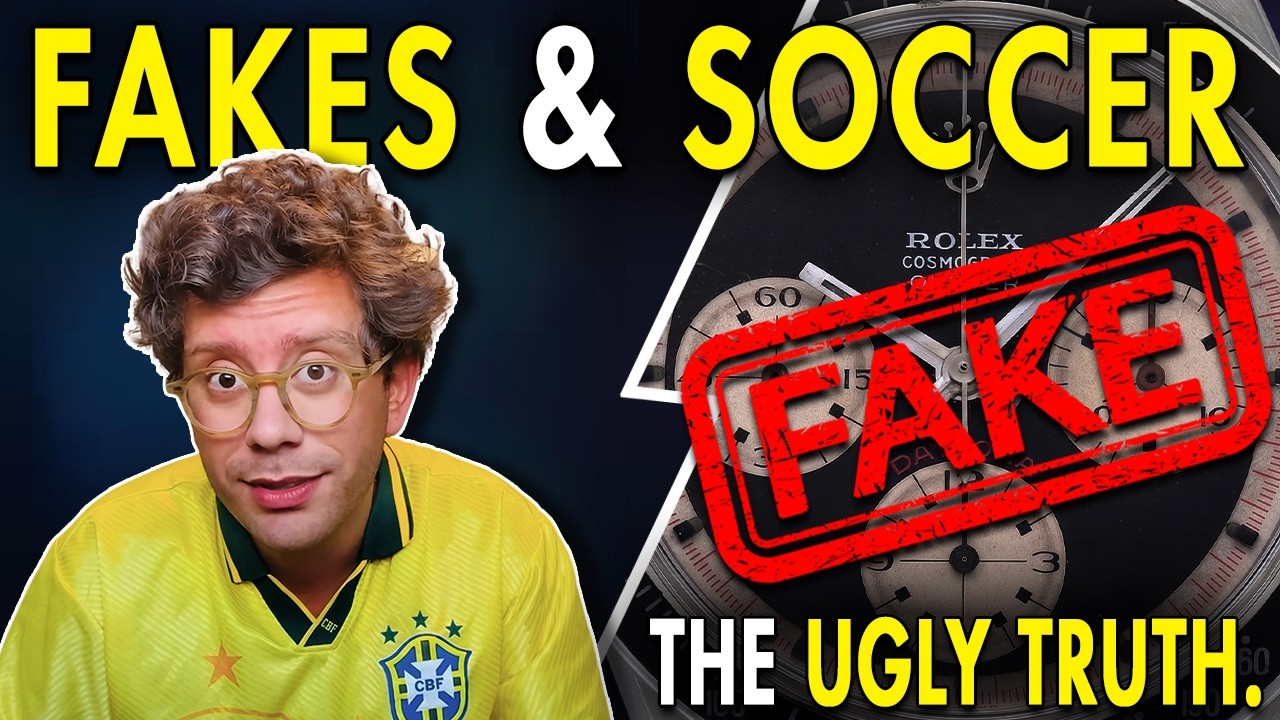
A recent piece ties the phrase “MASSIVE Watch Fraud” directly to scenes from World Cup parties. The combination forces a conversation about provenance, public display and how hype can change risk dynamics.
By HorologyTalk Editorial · · 3 min read
Originally reported by Theo and Harris. This article is a curated summary of their original coverage.
Can party crowds and headline fraud stories change where collectors look for watches?
The report pairs two blunt subjects: a headline calling out "MASSIVE Watch Fraud" and the spectacle of World Cup parties. Those two beats travel in different circles but meet where watches are shown, traded or boasted about in public.
What the duo of topics makes obvious
When you put fraud and large public events in the same sentence, the vulnerabilities are immediate. Public celebrations create more casual display moments. Casual displays create opportunities for quick transactions, hearsay provenance and social proof that can be misleading.
“MASSIVE Watch Fraud” — the phrase anchors the report and reframes fan events as potential pressure points for the market.
Why collectors should care
Collectors buy trust as much as they buy a watch. The report frames the issue as a trust problem: where provenance is weak, the premium on a name becomes a liability. That’s true whether a watch is bought on a forum, at a party or through a more publicised channel tied to big events.
Practical takeaways
- Assume casual display is not proof of authenticity.
- Treat event-driven enthusiasm as a reason to double-check provenance, not to skip it.
- Remember that headlines about fraud affect buyer psychology across the market — not only in the specific incident covered.
The report stops short of naming dealers, brands or specific transactions. It does, however, underline a simple forecast: heightened scrutiny around provenance will follow high-profile fraud narratives, and event-driven hype will accelerate that scrutiny. For buyers, that’s an actionable angle — verify first, let the party be background noise.
Originally reported by Theo and Harris. This article is a curated summary of their original coverage.
Tags: fraud, authentication, secondary-market, events