Industry News
Why the Rolex ‘Pepsi’ Still Rules the GMT Market — A 2026 Price and Availability Brief
Three references — 126710BLRO, 126719BLRO and the vintage 16710 — still set the market tone for the Rolex ‘Pepsi’. The steel 126710BLRO, usually on a Jubilee, is the primary target for buyers hunting a wearable classic through an AD.
By HorologyTalk Editorial · · 3 min read
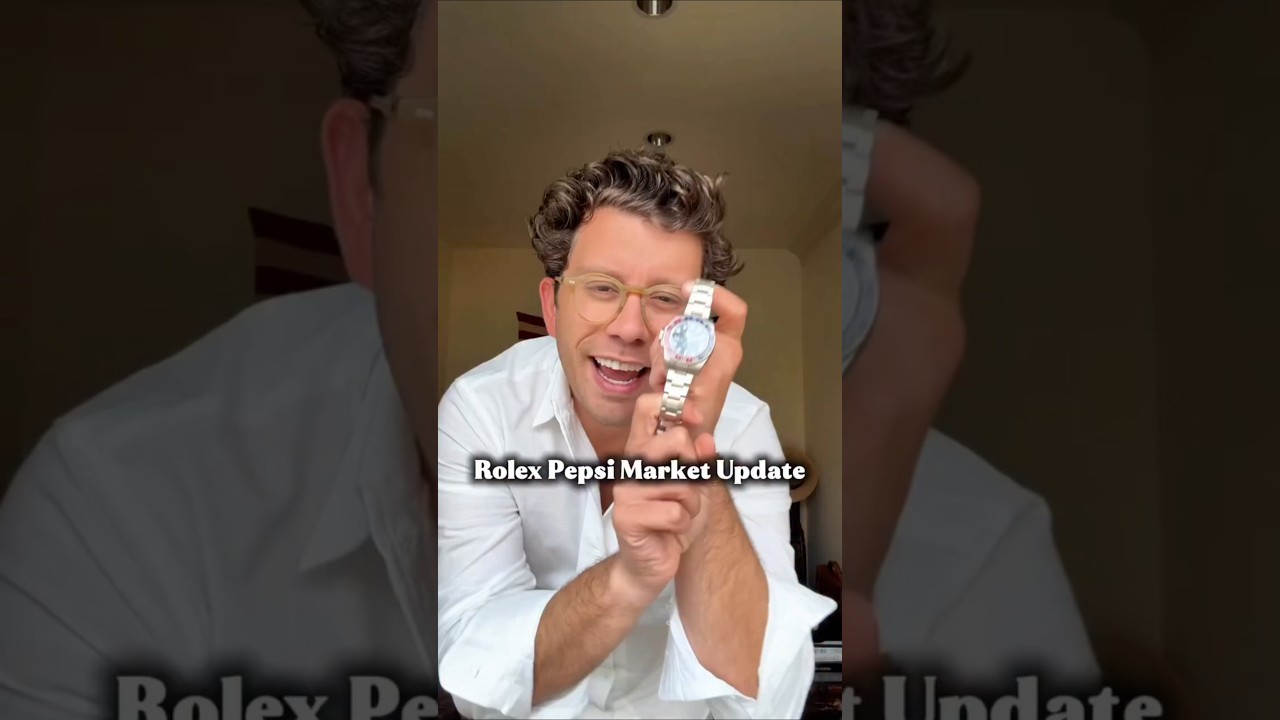
Originally reported by Theo and Harris. This article is a curated summary of their original coverage.
Pepsi’s Pull: The GMT That Refuses to Fade
Three references — the stainless-steel 126710BLRO with Jubilee, the white-gold 126719BLRO, and the older 16710 — still define the Pepsi conversation. Collectors and investors watch them closely; when Pepsi prices twitch, the sport-watch market reacts.
Each reference follows its own pricing logic. The 126710BLRO drives demand among buyers who want a modern steel Rolex they can wear. The 126719BLRO sits at a different price and buyer profile; it’s less about flipping and more about owning a precious-metal Rolex. Well-documented 16710s offer vintage character and a separate scarcity narrative that can appeal at different price points.
Technical DNA — What’s Under the Bezel
The contemporary Pepsi runs on Rolex’s caliber 3285. Key specs: roughly 70 hours of power reserve, the Chronergy escapement for greater efficiency, a Parachrom hairspring that resists magnetic fields and shocks, and COSC certification retested to Rolex’s stricter in-house limits. The watch keeps the compact-yet-substantial ~40mm GMT case, 100m water resistance, and a bi-directional Cerachrom red-and-blue ceramic bezel that resists fading and scratching.
Collectors prize the Pepsi not just for nostalgia, but because its technical package and Rolex’s control over supply keep second-hand demand consistently strong.
Market Realities: Retail, Grey, and the Wait-List Game
Rolex controls retail flow tightly. Authorized dealers allocate stainless-steel examples through relationship-based wait lists; long-term AD ties still matter. White-gold pieces are rarer at boutiques and attract buyers focused on ownership rather than resale. On the secondary market, premiums have spiked during speculative waves and then softened; recent corrections have pushed some listings closer to realistic — yet elevated — valuations.
- References to note: 126710BLRO (steel, Jubilee), 126719BLRO (white gold), legacy 16710 (vintage steel).
- Movement: Caliber 3285, ~70-hour reserve, Chronergy escapement.
- Case & specs: ~40mm, 100m WR, Cerachrom bi-color bezel, Jubilee/Oyster options.
What Collectors Should Do Now
If you want to wear the watch, target a 126710BLRO through an AD and ignore short-term market noise. If you’re buying for investment, accept volatility: the Pepsi will likely retain cultural value, but short-term price appreciation is uncertain. Vintage 16710s provide a different entry route — watch for provenance and service history rather than speculating on a quick flip.
Expect Rolex to oscillate supply policies. That will keep the Pepsi relevant — and keep dealers and collectors watching. Your play depends on appetite for volatility: buy to wear, or buy only if you can ride price swings.
Originally reported by Theo and Harris. This article is a curated summary of their original coverage.
Tags: Rolex, GMT-Master II, market trends, caliber 3285